
RBA Raises Cash Rate — First Increase in Over Two Years

New Year, New Deposit Plan: How the First Home Guarantee Could Fast-Track Your Way Into the Market
December 26, 2025
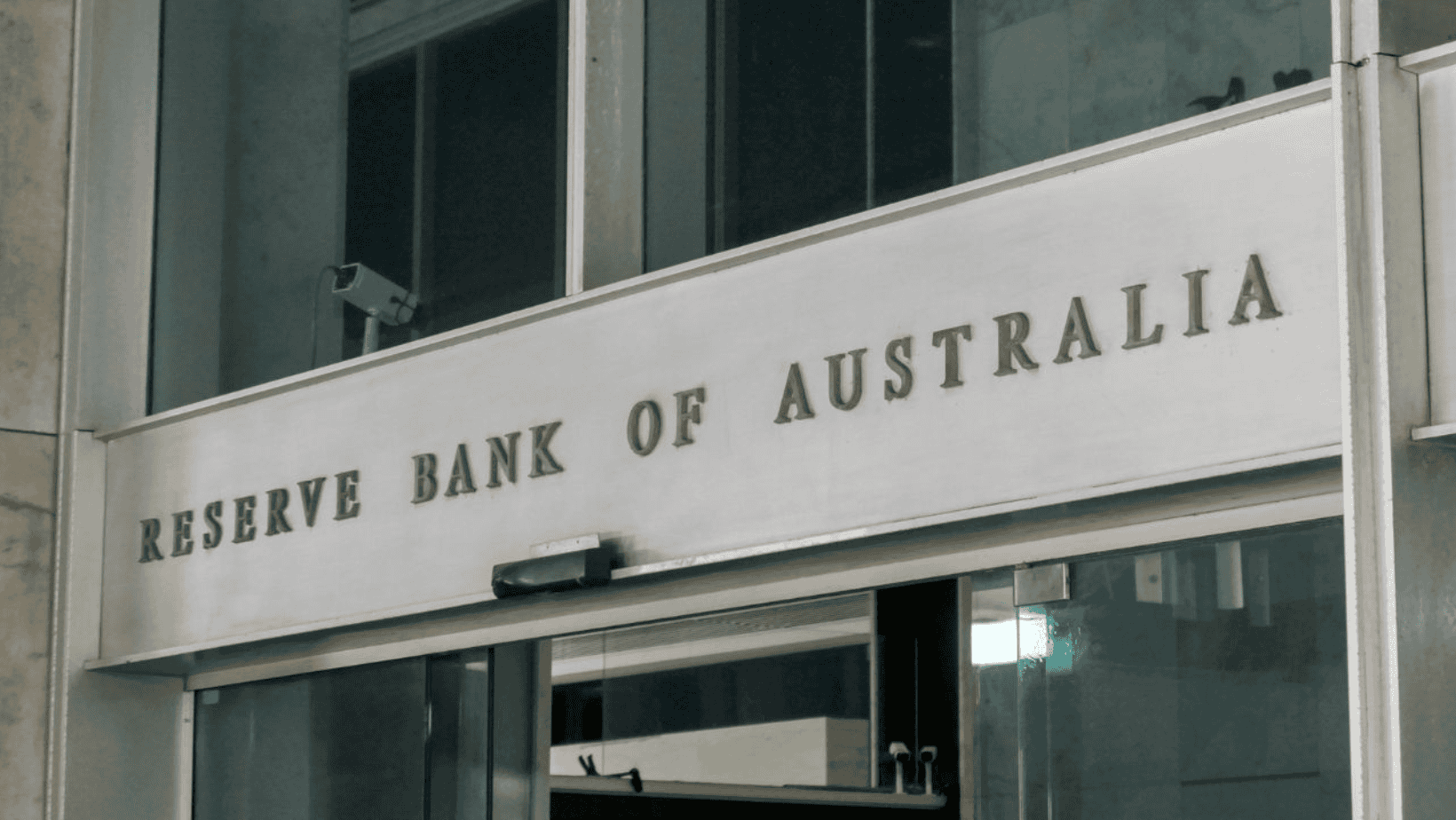
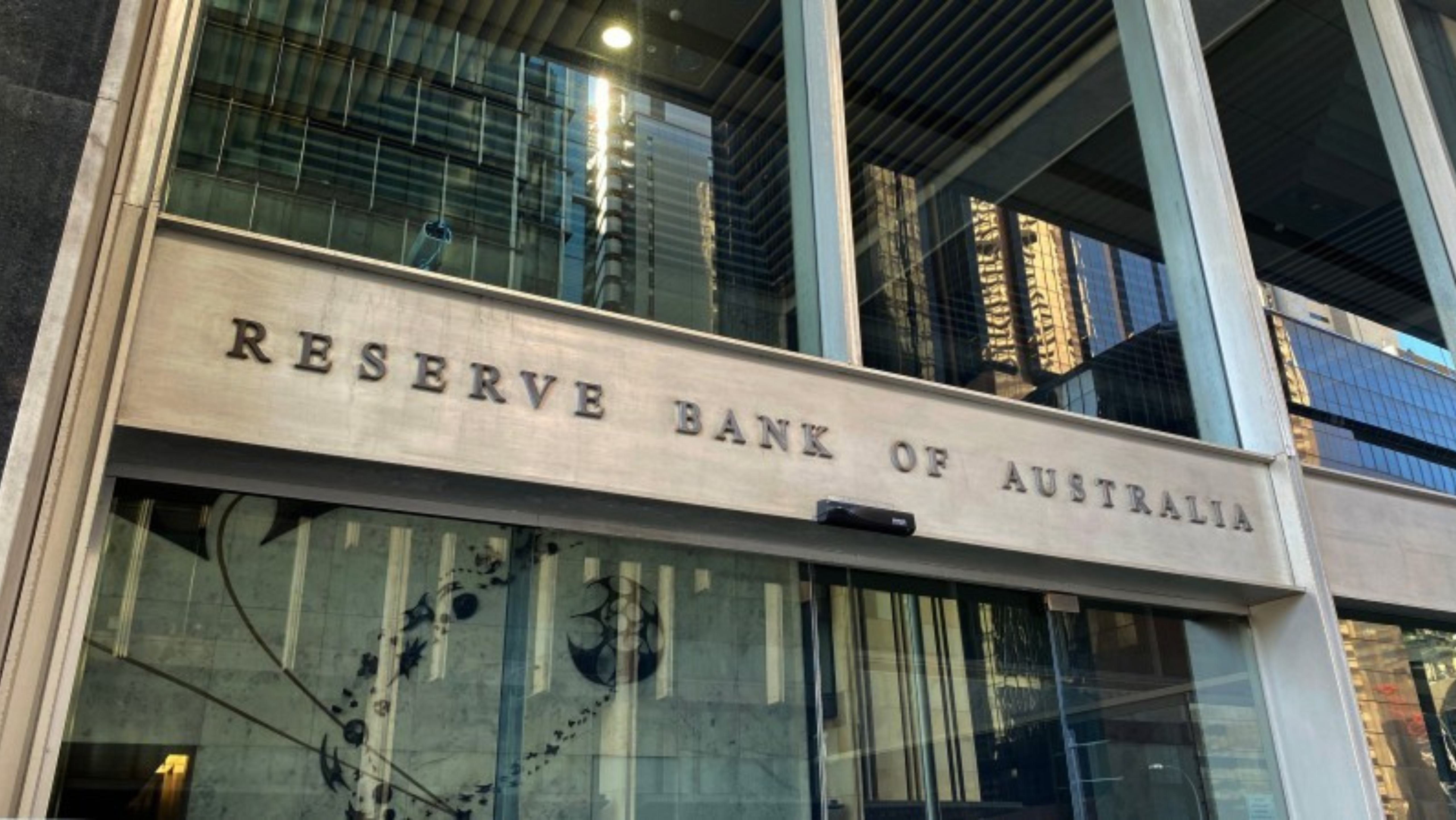
On 3 February 2026, the Reserve Bank of Australia (RBA) announced a decision that marks the end of its extended rate-cut cycle: a 25 basis point increase in the official cash rate, lifting it from **3.60% to 3.85%.
This is the first interest rate hike since November 2023, and it reflects the central bank’s response to evolving inflation pressures and a strengthening domestic economy.
Why the RBA Took This Step
The RBA’s Monetary Policy Board cited several key factors influencing its decision:
1. Rising Inflation Outside Target Range
Although inflation has declined significantly from its peak in 2022, price pressures picked up materially in the second half of 2025. Recent figures showed headline inflation above the Bank’s 2–3% target band, leading policymakers to act.
2. Stronger Economic Activity
Private demand both household spending and business investment, has grown more quickly than anticipated. The RBA noted that capacity pressures are larger than previously assessed, meaning the economy may be operating closer to full capacity.
3. Tightening Labour Market
Labour market indicators remain firm, with unemployment relatively low. A tighter labour market can intensify wage and price pressures, adding to inflation persistence.
Taken together, these signals convinced the Board that inflationary challenges are likely to persist above target for some time unless addressed through monetary tightening.
What the Rate Hike Means
Borrowers & Mortgage Holders
For homeowners with variable-rate loans, the hike is likely to translate into higher monthly repayments as lenders pass on the increase. Some major banks have already announced rate adjustments following the RBA move.
Investors & Markets
The announcement sent ripples through financial markets: the Australian dollar strengthened and certain equity indices showed mixed reactions. Analysts point out that this shift highlights the growing importance of central bank policy reads in market positioning.
Future Rate Expectations
While the RBA did not offer explicit forward guidance, markets and economists suggest the possibility of additional hikes later in 2026 if inflation proves persistent. Some forecasts even assume rates could rise further toward 4%+ before inflation trends sustainably return to target.
Balancing Growth and Stability
The central bank’s mandate remains clear: achieving price stability without undermining economic activity and employment. The recent decision underscores that monetary policy is becoming more responsive to inflation dynamics and less accommodative than in the recent past.
For households, businesses and investors alike, this shift highlights the importance of proactive financial planning from reviewing loan structures to reassessing investment strategies — as the macroeconomic backdrop evolves.
Bottom Line for Readers
This rate increase is not just a number it reflects a central bank adapting to unexpected economic momentum and inflation risks. Keeping an eye on upcoming employment, CPI data and RBA commentary will be key for anticipating future moves.
How HFinance Can Help
Interest rate shifts don’t just affect headlines, they affect your repayments, borrowing power, and long-term strategy.
We help clients:
-
Understand how RBA decisions impact their situation
-
Review mortgage structures and refinancing options
-
Build resilient financial strategies in changing rate environments
Speak to our team today to review your position and make sure your finances stay aligned no matter where rates move next. Book a consultation or get in touch via our website.
hfinance is a Sydney-based mortgage brokerage helping Australians secure smarter home loans, refinancing solutions, and investment property finance. We combine industry expertise, transparent advice, and a client-first approach to make every finance decision simpler and more strategic. Whether you’re buying your first home or expanding your portfolio, hfinance provides clarity and confidence every step of the way.