
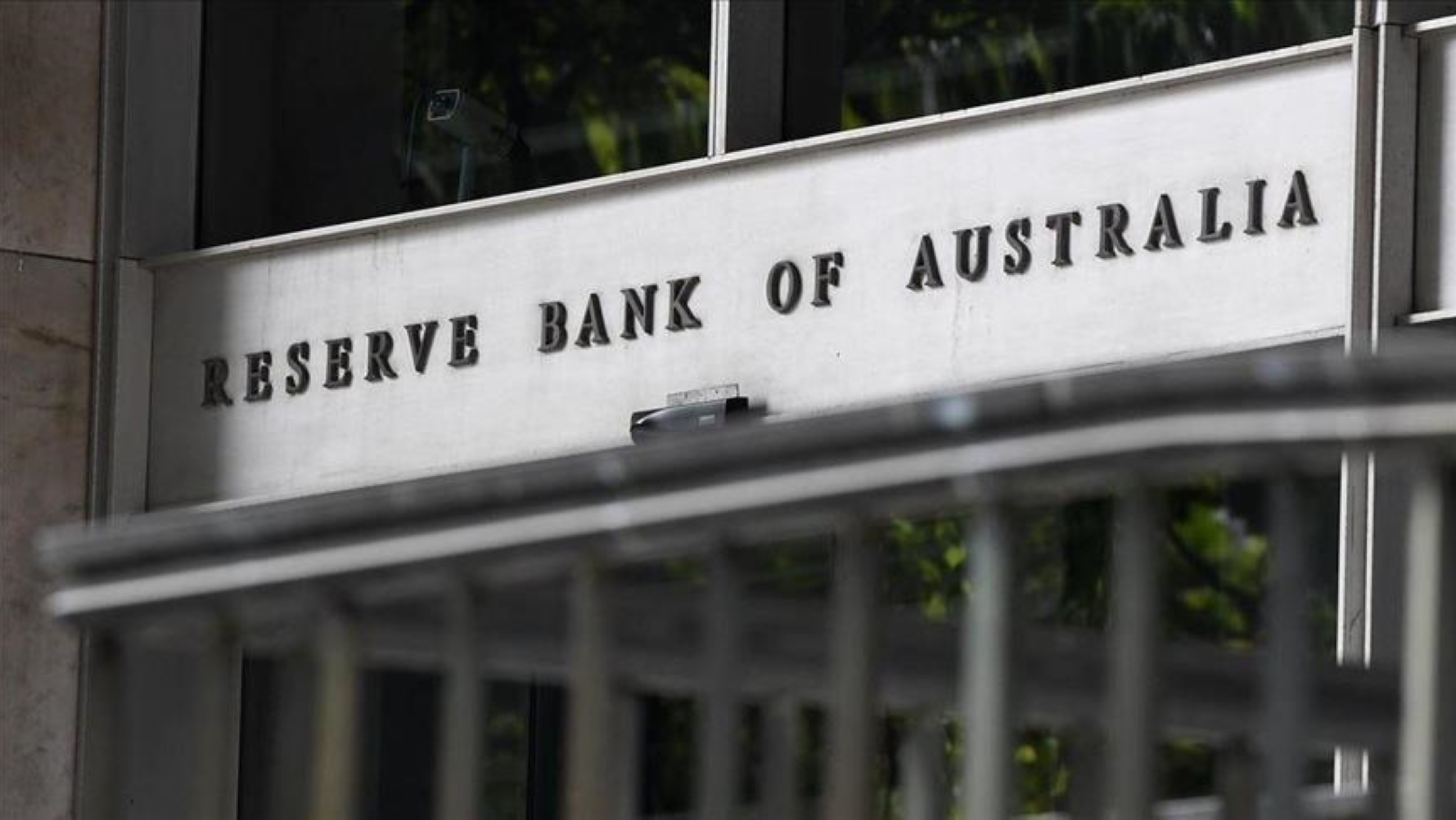
On 8 July 2025, the Reserve Bank of Australia (RBA) caught markets off guard by holding the official cash rate steady at 3.85%, despite strong expectations of a cut. With 97% of economists forecasting a 25 basis point reduction, the decision sent a clear message: the RBA isn’t rushing into easing just yet.
While the hold came as a surprise, RBA Governor Michele Bullock clarified that the decision was more about timing than direction — signalling that cuts are still on the table, just not now.
So, what does this mean for homeowners, buyers, and the broader economy? Let’s break it down.
Why Did the RBA Hold Rates?
The decision followed a split vote among Monetary Policy Board members:
- 6 voted to hold
- 3 supported a cut
This division reflects a delicate balancing act between supporting growth and ensuring inflation remains under control.
Key Takeaways from the RBA’s July Statement
1. Cash Rate Held at 3.85%
The RBA maintains that current settings are appropriate for now. Monetary policy remains restrictive but is still seen as supporting longer-term inflation goals and sustainable growth.
2. Inflation Has Eased — But Caution Remains
While inflation is now within the 2–3% target range, the Board wants to see consistent evidence that this moderation is sustainable before moving to cut rates.
3. Labour Market Conditions Are Easing
Unemployment and underemployment have both ticked up slightly, indicating softening conditions. However, no major labour market deterioration has been noted.
4. Global Economic Uncertainty Persists
From geopolitical tensions to inconsistent growth across major economies, the RBA flagged that external risks remain high — reinforcing the need for cautious domestic policy moves.
5. Household Spending Remains Weak
With rising living costs and elevated interest rates, household consumption growth remains soft, continuing to weigh on overall economic activity.
6. Business Investment Still Rising
Despite the headwinds, business investment continues to grow — driven by strong demand in select sectors and government infrastructure projects.
7. Housing Market Stabilising
Dwelling prices have levelled off in major cities, suggesting the earlier correction may have run its course. This could support buyer sentiment, especially if rates do begin to fall in coming months.
8. Wage Growth Remains Contained
Moderate wage growth indicates the RBA is not facing wage-driven inflation, giving them more flexibility to adjust policy based on broader indicators.
9. Financial Conditions Are Still Tight
The effects of previous rate increases continue to restrain credit growth and economic activity. Financial conditions remain restrictive — a key reason the RBA may soon begin easing.
10. Commitment to Data-Driven Decisions
The RBA reaffirmed it will base any future rate changes on upcoming data, particularly in relation to inflation trends, labour market performance, and global developments.
What This Means for Borrowers and Buyers
The decision to hold rates has a few important implications:
- Variable-rate borrowers won’t see relief just yet, but a potential cut in the near term remains likely.
- Fixed-rate borrowers nearing expiry may still face higher repayments, but there’s increasing optimism that rate cuts could arrive before year’s end.
- First-home buyers and investors can interpret the stabilising housing market and moderated inflation as a sign that the market may be approaching a turning point.
- Refinancers may benefit from improved competition among lenders, even if the official rate hasn’t moved.
Governor Bullock’s Key Message: It’s About Timing
In her post-meeting media conference, Governor Michele Bullock emphasized the Board’s data-dependent approach and pointed out that the inflation outlook has improved, but it’s still too early to act. She also acknowledged the split within the Board, reinforcing that the conversation has clearly shifted toward when to ease — not if.
Looking Ahead: August’s Meeting in Focus
The RBA’s next policy meeting is set for 11–12 August 2025, with the decision due at 2:30 pm AEST on 12 August.
Markets will be watching closely for:
- June quarter inflation data
- Updated employment figures
- Household spending trends
- Any signs of further global economic deterioration
These indicators will shape the RBA’s next move — and potentially set the tone for lending conditions heading into the final quarter of the year.
Final Thoughts
While the RBA’s July decision may have delayed the expected rate cut, it also signals growing confidence in the economy’s direction. For borrowers, buyers, and property investors, the months ahead could present key opportunities — especially if rates begin to fall before year’s end.
If you’re considering refinancing, planning a purchase, or just want to understand what this all means for your loan strategy, now is the time to review your options.
View the Full Breakdown
Want a closer look at what happened and what to expect next? Watch the full breakdown of the RBA’s July decision here: