
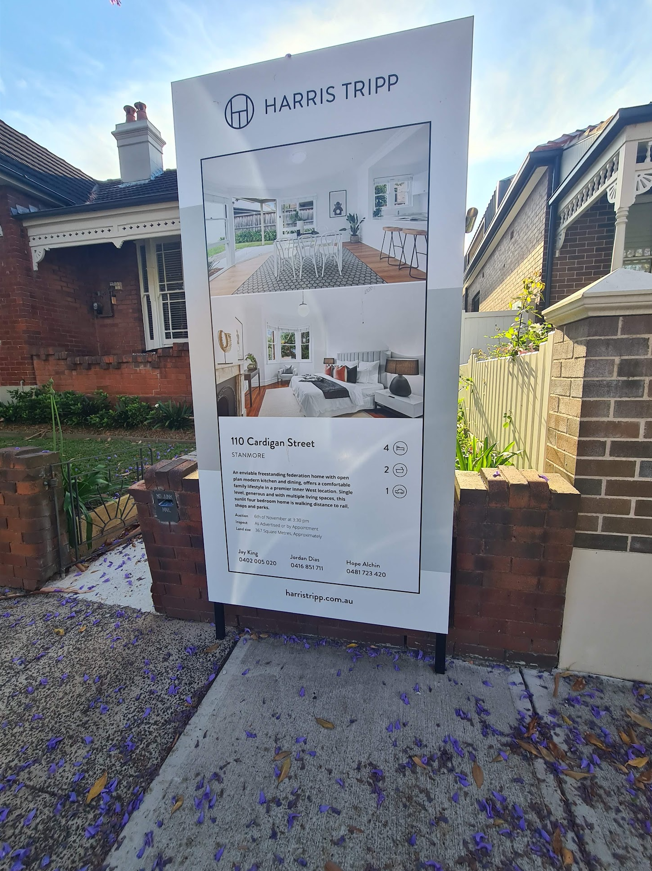
The best home always seems to come up at the worst time before you’ve sold your current one. And the moment you try to hold twoproperties at once, even for a few months, the bank gets nervous.
If you’re equity-rich but the servicing numbers don’t quite stack up on paper, you’ve got more options than your bank lets on. Here’s how it works.
The timing trap
Most upgraders hit the same wall. You’ve found the next home. You need the deposit, stamp duty and buying costs now, but the cash is locked up in a property you haven’t sold yet.
A traditional bridging loan can help but it usually comes with a clock. You’re expected to sell within a fixed window, and if the market’s slow or your sale isn’t ready, that pressure works against you. Sell in a hurry and you often sell for less.
There’s a calmer way to bridge the gap.
A second mortgage that buys you time
For homeowners with strong equity, a second mortgage through a specialist lender can release the funds you need against your existing home with no monthly repayments and no fixed loan term. Interest accrues and the loan is repaid later, typically from the sale of your old home or a refinance.
A recent example. A family in Sydney’s north had a home worth around $3.8M with a $1.5M mortgage. With a third child on the way, they’d found a larger home at $4.7M and needed roughly $850K to bridge the deposit and costs. Their bank assessed the two-property position conservatively and wouldn’t approve the full amount.
A specialist second mortgage against their existing home released the funds $600K for the deposit, $200K for stamp duty and costs, and $50K held back as a settlement buffer. No monthly payments. They bought the new home and then prepared the old one properly for sale, on their own timeline.
It works for downsizers too
The same principle helps at the other end. Say you’ve lived in your home for decades, you’re ready to downsize, and your agent says a $250K refresh gardens, paint, kitchen, bathroom could lift the sale price meaningfully. You’re equity-rich, but a $250K top-up doesn’t fit standard servicing.
A second mortgage funds the refresh now, gets repaid from the sale, and there are no repayments in between. You present the home at its best and sell into a stronger result instead of leaving money on the table.
The honest part
No monthly payments doesn’t mean no cost. Interest still accrues on the balance, and because it isn’t being paid down each month, it compounds against your equity until the loan is repaid. That’s exactly why this suits a genuine bridge a defined period with a clear exit (a sale or refinance), not open-ended borrowing.
Used the right way, it removes the one thing that costs upgraders the most money: being forced to sell before they’re ready.
Where we come in
We work out whether a bridge like this actually stacks up for your situation, model the exit, and line up the right specialist lender. If a mainstream option is cleaner and cheaper for you, we’ll tell you that instead.
If you’re looking at your next move and don’t want a forced sale dictating the price you accept, get in touch. We’ll map out your options in plain English.
Written by Jeremy Harper, Director of hfinance. I’ve spent years helping Australian homeowners move on their own terms rather than the bank’s.
General information only, not personal advice. We’ll assess your specific circumstances before recommending anything.