
Not long ago, many Australians were expecting interest rates to keep falling.
Markets were pricing in further cuts.
Borrowers were breathing a little easier.
Property buyers were feeling more confident.
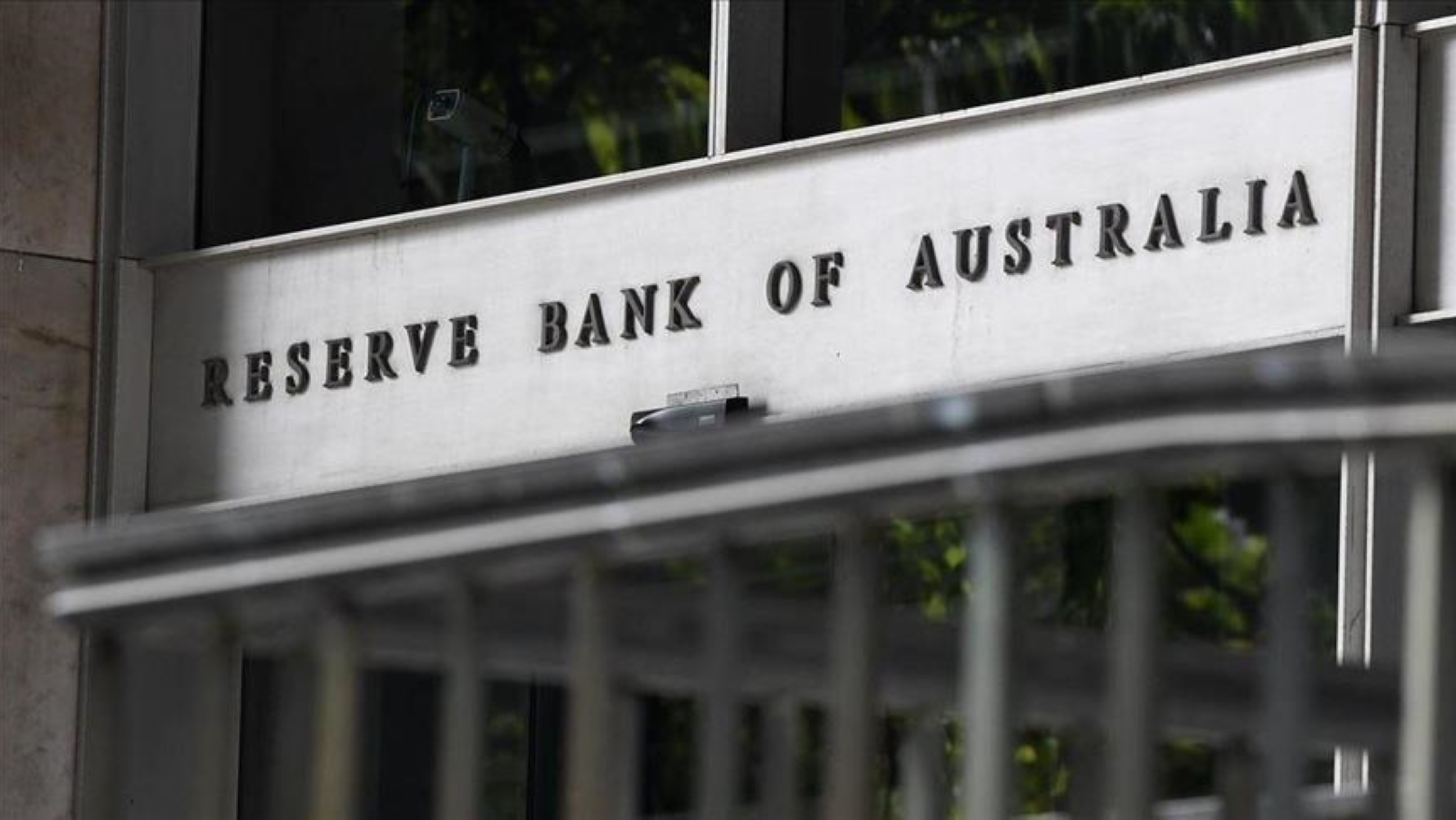
Then the Reserve Bank of Australia surprised almost everyone.
Instead of continuing to lower interest rates, the RBA reversed course and began lifting the cash rate again in early 2026 as inflation proved more persistent than expected and demand across the economy remained stronger than forecast.
For homeowners and buyers alike, the obvious question became:
What changed?
Understanding why the RBA pivoted helps explain not only today’s mortgage repayments but also what borrowers should be thinking about next.
The RBA’s Main Job Is Controlling Inflation
Every interest rate decision ultimately comes back to one objective: keeping inflation within the RBA’s target range of 2–3%.
When inflation is too high for too long, everyday goods and services become more expensive, reducing purchasing power across the economy.
Interest rates are one of the RBA’s primary tools for slowing demand.
Higher rates generally encourage households to spend less, save more and borrow more cautiously.
That, in turn, helps ease inflationary pressure.
It’s not always popular.
But it’s how monetary policy is designed to work.
Why the Outlook Changed
During 2025, there was growing optimism that inflation was easing.
The RBA even delivered several rate cuts as inflation appeared to be moving back towards target.
Then the economic picture shifted.
Inflation surprised on the upside, household spending remained stronger than expected, the labour market stayed resilient and supply constraints continued putting pressure on prices. Rising global energy prices added further inflationary risk.
Rather than continuing the easing cycle, the RBA concluded that tighter monetary policy was again necessary.
Inflation Was More Persistent Than Expected
Inflation rarely falls in a perfectly straight line.
Some price increases proved temporary.
Others remained stubborn.
The RBA became increasingly concerned that inflation could stay above target for longer than previously forecast if financial conditions became too accommodative.
The Board also noted the risk that higher inflation expectations could become embedded in the economy if action wasn’t taken early.
That concern played a major role in the decision to raise rates again.
The Labour Market Stayed Strong
One reason the economy continued generating inflationary pressure was employment.
Australia’s labour market remained relatively tight, with businesses still competing for workers and wages continuing to grow.
A healthy employment market is positive for households.
But it can also contribute to stronger consumer spending, which supports demand throughout the economy.
When demand consistently outpaces supply, inflation becomes harder to control.
Global Events Also Played a Role
Domestic conditions weren’t the only factor.
International developments, including higher oil and fuel prices following conflict in the Middle East, created additional inflation pressures that flowed into Australia’s economy.
Fuel affects almost every industry.
Higher transport costs often lead to higher business costs, which can eventually influence the prices consumers pay.
The RBA considered these global risks when assessing the inflation outlook.
What Does This Mean for Mortgage Holders?
For homeowners with variable-rate loans, higher cash rates generally mean higher mortgage repayments.
Borrowers who recently came off fixed-rate loans have felt this particularly strongly.
For prospective buyers, higher rates may reduce borrowing capacity while increasing the importance of choosing the right loan structure.
At the same time, many lenders continue competing aggressively for quality borrowers, creating refinancing opportunities for those willing to review their options.
Does This Mean More Rate Rises Are Guaranteed?
Not necessarily.
The RBA has repeatedly emphasised that future decisions will depend on incoming economic data rather than following a predetermined path. While recent Board commentary has left the possibility of further increases on the table, it has also stressed the importance of assessing how previous rate rises are affecting households and businesses.
In other words, every meeting remains “live.”
Future inflation, employment figures, consumer spending and global events will all influence where rates go next.
What Borrowers Can Control
While no homeowner can influence RBA decisions, there are several things borrowers can control.
This may be a good time to:
- review your current interest rate
- compare lenders
- check whether refinancing could reduce repayments
- make greater use of an offset account
- review your household budget
- avoid borrowing to your absolute maximum capacity
Preparing early often provides more options than reacting after repayments increase.
Stay Focused on the Long Term
Interest rates move in cycles.
They rise.
They fall.
They stabilise.
Australia’s property market has experienced each of these environments before.
The borrowers who tend to perform best over the long term aren’t those who perfectly predict every RBA decision.
They’re the ones who regularly review their mortgage, maintain financial flexibility and adjust their strategy as circumstances change.
Good Advice Matters in Changing Markets
Economic conditions can change quickly.
So can lending policies.
Whether you’re purchasing your first home, refinancing an existing loan or planning your next investment, understanding how interest rate movements affect your borrowing strategy has never been more important.
At hfinance, we help Australians navigate changing lending conditions with practical, transparent advice. We compare home loan options across more than 50 lenders, helping borrowers find solutions that suit today’s market while supporting tomorrow’s financial goals.
hfinance is a Sydney-based mortgage brokerage helping Australians achieve their property goals through tailored home loans, refinancing and investment lending. From first-home buyers to experienced investors, we help clients make informed decisions in every stage of the interest rate cycle.
Unsure how higher interest rates could affect your home loan?
Speak with one of our mortgage specialists today. We’ll review your current mortgage, compare options from our network of 50+ lenders, and help you build a lending strategy that gives you confidence—whatever the RBA decides next.