
What Happens When Your Cheap Home Loan Expires in a Higher-Rate World
For a few years, fixed-rate home loans felt like one of the smartest financial decisions Australians could make. Borrowers locked in historically low interest rates, enjoyed predictable repayments and, for a while, watched rising interest rates from a comfortable distance. Then reality arrived. Across Australia, thousands of homeowners have now reached what economists have dubbed the “fixed rate cliff”—the moment a low fixed-rate mortgage expires and automatically rolls onto a much higher variable rate. For some households, it’s meant repayments increasing by hundreds or even thousands of dollars each month. For others, it’s been a timely reminder that a home loan should never be something you simply “set and forget.”
What Is the Fixed Rate Cliff?
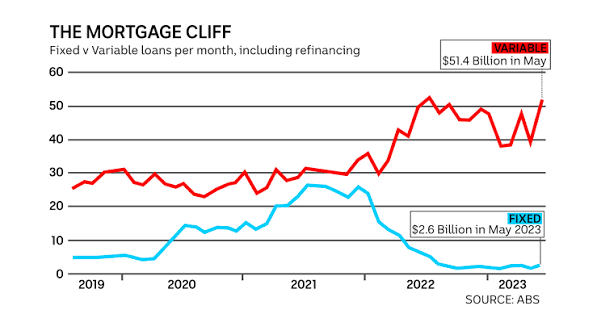
A fixed-rate home loan locks your interest rate for a predetermined period—commonly one, two, three or five years. During that time, your repayments remain largely unchanged regardless of movements in the Reserve Bank of Australia’s cash rate. When that fixed period ends, however, the loan generally reverts to the lender’s standard variable rate unless you refinance or negotiate a new arrangement. If interest rates have increased significantly since you fixed your loan, the difference can be substantial. That’s what’s known as the fixed rate cliff. The “cliff” isn’t the expiry itself. It’s the sudden jump in repayments many borrowers experience afterwards.
Why Are So Many Australians Feeling the Impact?
During the COVID-era property boom, fixed mortgage rates reached record lows. Many Australians secured rates below 2%. As inflation increased, the Reserve Bank began lifting the cash rate to slow economic growth. Banks followed by increasing mortgage rates. As a result, borrowers coming off those historically low fixed rates are now entering a lending environment that looks very different from the one they originally signed up for. For many households, the increase hasn’t been gradual. It’s arrived all at once.
Your Repayments Could Change Overnight
Imagine fixing your mortgage at 1.99%. Three years later, your loan automatically rolls onto a variable rate above 6%. Even if your loan balance has fallen, your monthly repayments may increase significantly. Many homeowners don’t realise how large the difference will be until their lender sends the expiry notice. That’s why reviewing your loan before the fixed period ends is so important. Preparation creates options. Waiting until after the rollover often limits them.
Don’t Assume Your Current Lender Has the Best Deal
When a fixed-rate loan expires, many borrowers simply accept the new variable rate offered by their existing lender. It feels convenient. But convenient isn’t always competitive. Lending policies and interest rates change constantly.
Another lender may offer:
- a lower interest rate
- reduced ongoing fees
- an offset account
- more flexible repayment options
- features better suited to your financial goals
Loyalty is valuable. Unfortunately, it isn’t always rewarded in the mortgage market.
Refinancing May Be Worth Exploring
For many borrowers, the end of a fixed-rate period is the ideal time to review their home loan. Refinancing isn’t simply about chasing the lowest advertised interest rate. It’s an opportunity to assess whether your current loan still supports your financial objectives.
You may be able to:
- reduce your repayments
- shorten your loan term
- access equity
- consolidate debts
- improve loan features
- switch to a more flexible lending structure
Sometimes a simple loan review uncovers opportunities that have developed since your original mortgage was approved.
Fixed or Variable? It’s Not Always One or the Other
Many borrowers assume they must choose between fixing their entire loan again or remaining fully variable. In reality, some homeowners prefer a split loan. This allows part of the mortgage to remain fixed while the remainder stays variable. The approach provides a balance between repayment certainty and flexibility. Whether it’s appropriate depends entirely on your personal circumstances, financial goals and appetite for risk. There is no universally “best” option. Only the option that best suits you.
Start Planning Before Your Fixed Rate Ends
One of the biggest mistakes borrowers make is waiting until the fixed period has already expired. Ideally, you should begin reviewing your options several months before the rollover date.
That provides time to:
- compare lenders
- assess refinancing costs
- organise documentation
- review your borrowing capacity
- understand your future repayments
The earlier you begin, the more choices you’re likely to have.
Rising Repayments Don’t Always Mean Financial Stress
Yes, higher interest rates increase mortgage repayments. But they don’t automatically create financial hardship. Many borrowers have experienced salary growth, reduced other debts or built equity since taking out their original loan. A proactive review often reveals strategies to manage increased repayments comfortably. The important thing is understanding your options before making decisions.
The Fixed Rate Cliff Doesn’t Have to Catch You Off Guard
A fixed-rate expiry shouldn’t come as a surprise. It’s a scheduled event. What often catches borrowers off guard is failing to review their home loan before it happens. The end of a fixed rate isn’t necessarily bad news. It can become the perfect opportunity to renegotiate, refinance or restructure your mortgage in a way that better reflects your current financial circumstances.
At hfinance, we help homeowners prepare for fixed-rate expiries well before they occur. We compare lenders, review your existing loan, explain your refinancing options and help you develop a mortgage strategy that works in today’s lending environment—not the one that existed several years ago.
hfinance is a Sydney-based mortgage brokerage helping Australians achieve their property goals through tailored home loans, refinancing and investment lending. Whether your fixed rate is ending next month or next year, we’re here to help you navigate the transition with confidence.
Is your fixed-rate home loan coming to an end?
Don’t wait until your repayments increase. Speak with one of our mortgage specialists today for a complimentary home loan review. We’ll compare your options across a wide range of lenders and help you decide whether refinancing, renegotiating or restructuring your loan could save you money in today’s higher-rate environment.