
Why the Big Four Banks No Longer Agree on What Happens Next
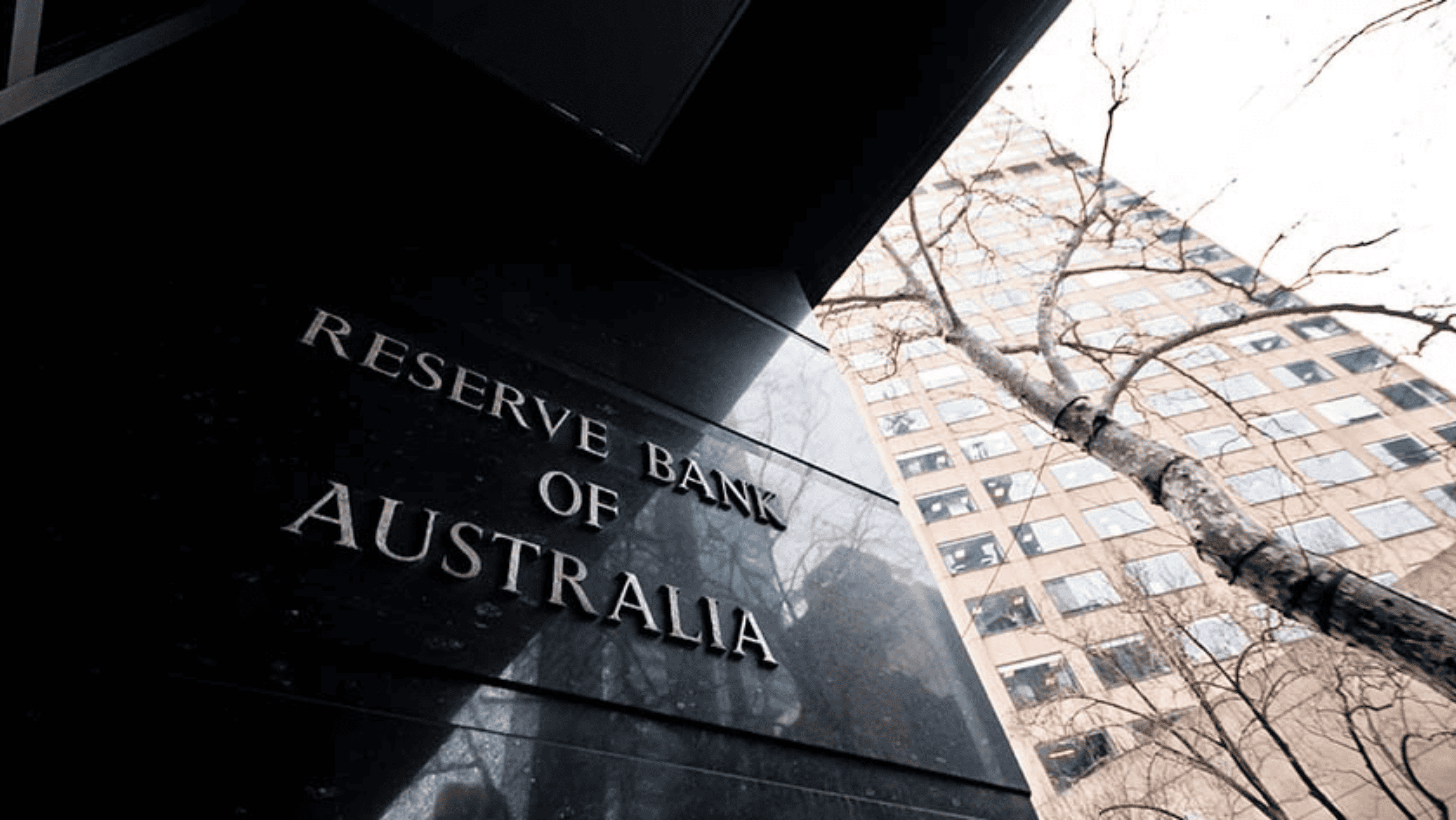
The Reserve Bank of Australia left the cash rate unchanged at 4.35% at its August meeting, the second consecutive hold of the year. On the surface, that looks like a quiet result. Underneath it, the picture is more complicated. Fresh inflation data released a fortnight later has split Australia’s major banks on what the RBA does at its next meeting, and that split matters for anyone with a mortgage, anyone thinking about buying, and anyone weighing up whether to refinance.
Here’s what actually happened, what the banks are now forecasting, and what it might mean for your own lending position.
What the RBA actually said
At its meeting on 11 August 2026, the Monetary Policy Board voted unanimously to leave the cash rate target at 4.35%, extending a pause that began in June after three consecutive rate hikes earlier in the year (RBA media release). The Board’s language was notably cautious rather than reassuring. It confirmed that headline inflation remains too high, that trimmed mean inflation (the RBA’s preferred underlying measure) is little changed from the March quarter, and that it remains prepared to raise the cash rate further if upside risks to inflation materialise.
Governor Michele Bullock reinforced that tone in the press conference following the decision, telling reporters the Board “remains concerned” about the inflation outlook and that further progress is needed before the Board can be confident inflation is heading sustainably back to target (Domain). That is a meaningfully different message to what markets were hearing through most of July, when the prevailing view among economists was that the RBA’s tightening cycle was probably done.
It’s worth remembering how we got here. In 2025, the RBA cut rates three times, bringing the cash rate down to 3.60%. Early in 2026, it reversed course entirely, lifting rates three times in quick succession in response to inflation that picked up more than expected, compounded by the Middle East conflict pushing up fuel and commodity prices (RBA media release, June 2026 hike). The August hold was the second pause since that hiking cycle, following an earlier hold in July.
Why the banks have stopped agreeing
For most of the year, the major banks were broadly aligned: the hiking cycle was over, and the only real question was when cuts might begin. That consensus has now broken down, and the trigger was the July inflation data released by the ABS on 26 August.
Headline CPI eased to 3.5% over the twelve months to July, down from 3.8% in June. That sounds like good news, and in isolation it is. But trimmed mean inflation, the underlying measure the RBA actually leans on when setting policy, held steady at 3.6% (Aussie). Both figures remain well outside the RBA’s 2 to 3% target band, and the fact that the underlying number didn’t move is what’s unsettled the major banks’ forecasting teams.
The result is a genuine split heading into the RBA’s next meeting on 29 September:
- NAB is now forecasting a 25 basis point hike in September, taking the cash rate to 4.60%.
- ANZ and CommBank both expect the hike to land in November instead, also to 4.60%.
- Westpac remains the outlier, continuing to forecast that the RBA holds for the remainder of 2026.
As recently as late July, CommBank’s own economics team was confidently predicting the RBA would stay on hold through the rest of the year (CommBank, 29 July 2026). That forecast has now shifted. When an institution the size of CommBank revises its call within a matter of weeks, it’s a reasonable signal that the incoming data genuinely surprised the market, not just headline commentary catching up to something everyone already expected.
A Finder survey of 38 economists ahead of the August meeting found 92% expected a hold, but 44% were already flagging at least one more hike before the end of the year (Canstar). In other words, even before the July CPI print, there was meaningfully less certainty in the system than the headline “hold” decision suggested.
Why a hold isn’t the same as rate stability
It’s easy to read “the RBA held” as “nothing changed for borrowers,” but that’s not quite right, and it’s the point most coverage of these decisions tends to skip over.
First, a hold at the Board level doesn’t mean your own lender’s pricing stands still. Lenders continue to compete on new-customer rates independently of what the cash rate does. Over a dozen lenders have trimmed variable rates for new customers in recent months even while the cash rate has sat at 4.35%, and the best available variable rates are now starting from around 5.69%, compared with a typical standard variable rate closer to 6.25%. That’s a meaningful gap, and it exists regardless of what the RBA decides next. If you haven’t reviewed your own rate in the past twelve months, there’s a reasonable chance you’re on the wrong side of it.
Second, fixed rates move on a different clock entirely. They respond to market expectations and funding costs rather than directly tracking the cash rate, so a Board hold doesn’t necessarily mean fixed pricing is standing still either. With the big four now split on the RBA’s next move, fixed-rate pricing over the coming months is likely to reflect that same uncertainty.
Third, the property market has already started responding to the higher-for-longer environment created by this year’s three hikes. Auction clearance rates and sales volumes have softened across the eastern capitals through the middle of the year, and several major banks now expect the first rate cut to be pushed out to mid-2027 at the earliest (Azure Home Loans). Whether that plays in your favour depends heavily on where you sit, whether you’re buying, selling, refinancing, or simply servicing an existing loan.
What this means if you’re weighing up your next move
None of this is a reason to panic, but it is a reason to actually check where you stand rather than assume the “hold” headline means you can safely do nothing.
If you’re on a variable rate you haven’t reviewed in the past year, it’s worth finding out whether you’re paying more than new customers at your own bank, let alone the market more broadly. If your fixed term is coming up for renewal in the next six to twelve months, it’s worth understanding how the current split in bank forecasts might affect the rate you’re offered when you re-fix, and whether locking in now or waiting makes more sense for your circumstances. And if you’re planning to buy in the next few months, it’s worth having a clear picture of your borrowing capacity under a scenario where rates go up again in September or November, not just under today’s settings.
The next RBA decision lands on 29 September 2026, with a further round of inflation data due the day after, on 30 September. Between now and then is a reasonable window to get your own position properly reviewed rather than finding out where you stand after the fact.
If you’d like to talk through what the current environment means for your specific loan, refinancing options, or upcoming purchase, get in touch with the hfinance team. We work with 50+ lenders across Sydney and the Gold Coast and can help you understand exactly where you sit, and what your options actually are, before the next call.
This article is general information only and does not take into account your personal financial situation or objectives. Speak with an hfinance broker before making any lending decisions.