
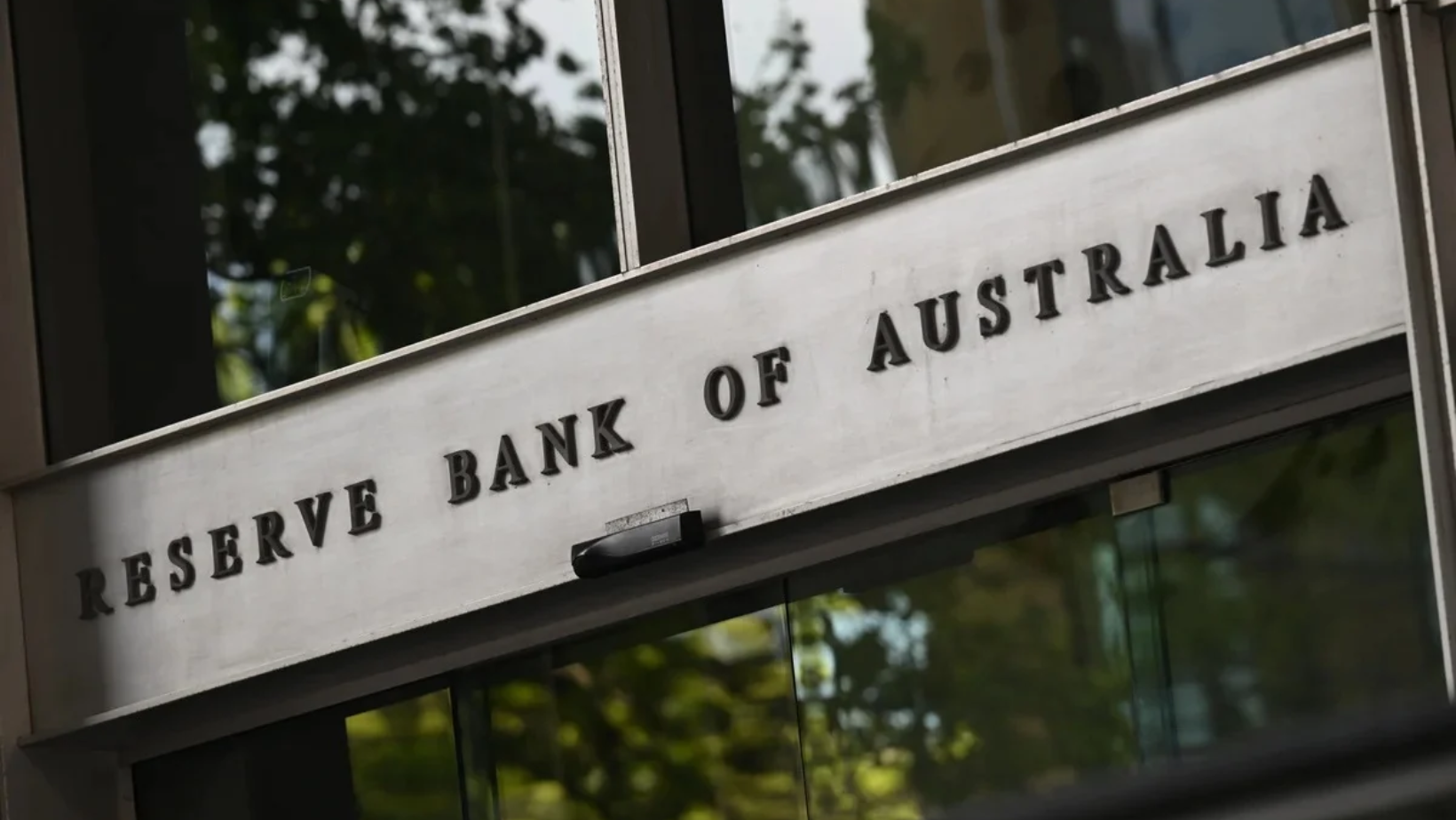
The RBA announces its November decision at 2:30pm AEDT today, Tuesday 3 November. The cash rate is 4.60%, and economists and markets overwhelmingly expect the board to lift it by 0.25% to 4.85%. That would be the fifth rise this year and the highest cash rate since November 2008 (Capital Brief).
This article sets out what the forecasters expect, why, what a rise would mean for your repayments, and what you can check before and after the announcement. It was written before the decision, so read the RBA’s statement for the outcome.
What the forecasters expect
Almost everyone is calling a rise:
| Forecaster | Call for 3 November |
|---|---|
| NAB | Rise of 0.25% to 4.85% |
| ANZ | Rise of 0.25% to 4.85% |
| CommBank | Rise of 0.25% to 4.85% |
| Westpac | Rise of 0.25% to 4.85% |
| Reuters poll of 32 economists | 31 expect a rise |
| Deutsche Bank | Hold at 4.60% |
Sources: Aussie and investingLive.
Financial markets agree. Depending on the source and the time of day, they price roughly an 80 to 90% chance of a rise. CBA and ANZ only moved to a rise call after the inflation data, and CBA describes it as an “insurance hike” against inflation staying higher for longer (Aussie).
Why a rise is expected
Inflation is well above target. Headline CPI rose to 4.3% in the year to September, against the RBA’s 2 to 3% target band (ABS). Underlying inflation, measured by the trimmed mean, also came in above forecasts, according to investingLive.
The RBA has sounded more hawkish. ANZ says the RBA has turned decisively hawkish since a more dovish tone after its September decision. It also notes the RBA has played down a recent rise in unemployment, with Governor Michele Bullock saying underlying inflation suggests the labour market is tighter than previously thought.
The question is whether the rises have done enough. CBA’s economists say a front-of-mind issue for the board is whether the earlier rises are still flowing through to the economy, and that recent RBA communications suggest the answer is no (Capital Brief).
The case for a hold
Deutsche Bank is the lone major forecaster tipping a hold. Some commentators have also raised recession and job-loss concerns, and CBA says there are no guarantees the board’s decision will be unanimous. A hold wouldn’t mean the rises are over, only that the board wants more time to see their effect.
What matters as much as the decision
Today is a forecast meeting, so the RBA also publishes an updated Statement on Monetary Policy with new projections for inflation, growth and unemployment. With a rise so widely expected, markets will be watching the guidance as closely as the move itself. Banks flag a risk of a further rise in February, though most expect a pause after November (investingLive).
What a rise would mean for your repayments
On a variable rate loan, every 0.25% adds to your monthly repayment. Here’s the effect on common loan sizes over 30 years on a principal and interest basis, starting from a rate of 6.34%:
| Loan size | Extra per month | New monthly repayment |
|---|---|---|
| $400,000 | about $66 | about $2,552 |
| $500,000 | about $82 | about $3,190 |
| $600,000 | about $98 | about $3,828 |
| $750,000 | about $123 | about $4,785 |
These figures are illustrative, so your own loan will differ. If the RBA moves, Brisbane Times reports that repayments on a 30-year $600,000 mortgage will have risen by a cumulative $500 a month this year.
Timing varies. When the RBA raised rates on 29 September, the big four banks passed it on to variable loans from 9 October, about ten days later. Each lender sets its own timing, and fixed rate loans don’t change until the fixed term ends.
What to check now
- Your repayment at 4.85%. Our home loan calculator shows what a rise would do to your balance and rate.
- Your buffer. If your budget only works at today’s repayment, money in an offset account or a few months of repayments set aside gives you room.
- Your rate. Lenders compete harder for new customers than for existing ones, so it’s worth comparing. Our refinancing page explains how a review works, and our guide to what a comparison rate is helps you compare fees.
- Your fixed rate end date, if you’re on a fixed rate. Know when it rolls over so it doesn’t catch you out.
- Your borrowing capacity, if you’re buying. Lenders assess your repayments at 3 percentage points above the actual rate (APRA), so each rise can lower what you can borrow. Ask your broker to reassess any pre-approval.
Rates aren’t the only pressure. National home values have now fallen seven months in a row, which we cover in our look at what falling values mean for your loan.
If the RBA holds
Repayments stay as they are for now, but the same checks apply. Banks flag a risk of a move in February, so a hold today may only be a pause.
Talk to us
The hfinance team compares across 50+ lenders and can show you what a rise would mean for your loan, and whether a better rate is available. Get in touch and we’ll run your numbers.
This article is general information only and does not take into account your personal financial situation or objectives. It was written before the RBA’s announcement, and forecasts and market pricing can change. Forecasts are opinions, not guarantees. Repayment figures are illustrative and based on a 30-year principal and interest loan. Speak with an hfinance broker before making any lending decisions.